

You care for them.
Cora cares for you.
Wellbeing support for women carrying the emotional weight of caring for a loved one.
A supportive space for the stress, grief, overwhelm and change that can come with caring, with a particular focus on ageing parents and dementia.
Caring for someone you love can carry a heavy emotional load
Caring can bring love, responsibility and meaning. It can also bring exhaustion, worry, guilt, frustration and grief, sometimes all at once.
When someone you love needs more from you, it can become harder to find space for your own needs. You may be juggling appointments, decisions, family dynamics, work, home and the constant mental load of wondering what comes next.
For women caring for ageing parents, and especially those navigating dementia, these changes can be particularly complex. Roles shift. Relationships change. There can be grief for what has already been lost, even while the person you love is still here.
You deserve care and support too.
When caring starts to take more out of you
It doesn’t always look like reaching breaking point.
Sometimes it’s lying awake worrying about what comes next. Feeling guilty when you’re not there, and frustrated when you are. Losing patience more quickly than you used to. Cancelling things because it all feels too hard. Or realising you can’t remember the last time you had the energy to think about what you need.
You might still be juggling work, looking after your own family and managing everything else on the ‘to-do’ list, while carrying the emotional and practical weight of caring for someone you love. For many women, that means supporting an ageing parent or navigating the particular challenges of dementia.
Over time, that can start to show up in different parts of your life.
Emotionally
You may feel overwhelmed, anxious, irritable, resentful or guilty, sometimes all within the same day.
Physically
Sleep can suffer. Stress can become harder to come down from. You may feel tired even after resting, or simply feel as though your body has less in reserve.
In your relationships
You may have less patience or energy for your partner, children, friends or other people who need something from you.
In your own life
The things that used to keep you well can gradually disappear. Exercise, friendships, appointments, hobbies, rest and even basic time to yourself can start to feel like luxuries.
You may not call it burnout. You may simply know that you can’t keep carrying things in quite the same way.


You need support too.
You spend so much time thinking about the needs of others.
Cora starts with a different question: what do you need?
Caring for someone you love can change the shape of your life in ways that are hard to anticipate, affecting how you feel, how much energy you have, and how much space is left for you. For women supporting an ageing parent or someone living with dementia, those changes can be especially complex.
Cora is built around the belief that support for carers should recognise the whole person — and the reality of the life they are living.
Support that looks at the whole picture
The strain of caring is rarely caused by one thing, and it is rarely helped by one solution. Emotional load, sleep, stress, health, family roles and the practical demands of caring can all interact.
There should be space for honesty
Caring can bring frustration, resentment, guilt, grief and thoughts that are hard to say out loud. Cora is a place where those experiences can be spoken about openly, without judgement.
Your wellbeing matters too
Your needs do not become less important because someone you love needs care. Protecting your own health and wellbeing is not separate from caring. It is part of making caring sustainable.
It has to work in real life, not just on paper
The aim is not an idealised wellbeing routine or another list of things you should be doing. We focus on practical strategies and changes that can genuinely support the life you are living.
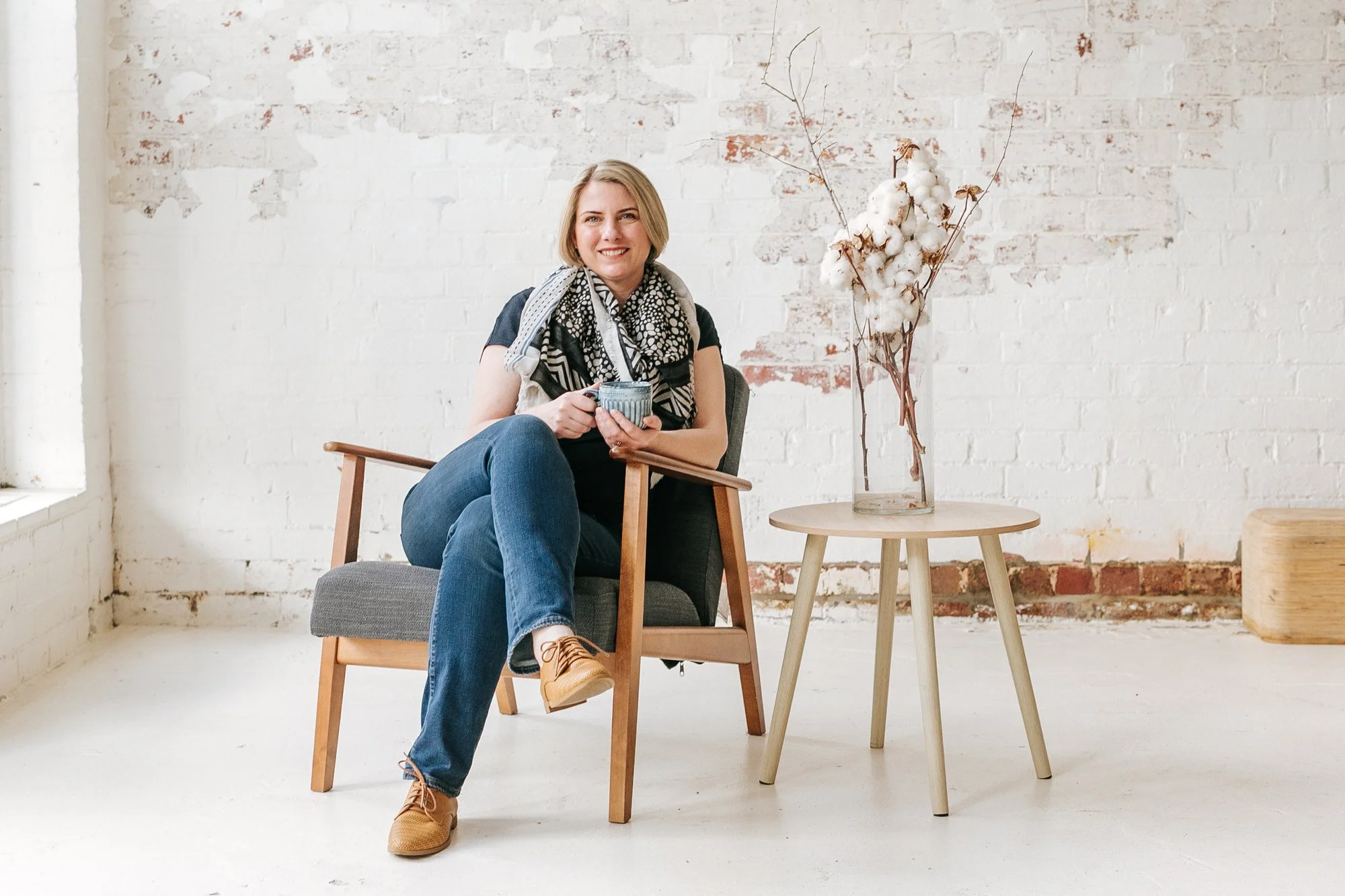
Dementia is part of my family’s story, so I know caring isn’t something that fits neatly into a brochure about self-care.
That lived experience is part of why I created Cora.
I also bring professional training across mental health, wellbeing, women’s health, menopause, sleep, stress and recovery.
I want Cora to be somewhere you can put the load down for a while, and focus on your own needs for a change.
Youna Angevin-Castro
Areas I’m especially interested in…
Caring for someone with dementia can touch almost every part of your life. That’s why my approach draws on a range of areas that can help us understand what you’re experiencing and find practical ways to support your wellbeing.
Grief, loss and life transitions
I have a particular interest in grief, including anticipatory grief and ambiguous loss, as well as the changes in identity, relationships and roles that can happen when someone you love develops dementia.
Psychological wellbeing
My work draws on strengths-based approaches and principles from Acceptance and Commitment Therapy (ACT), with a focus on understanding what matters to you, navigating difficult thoughts and emotions, and finding practical ways forward when circumstances themselves may not be easy to change.
Women’s health and wellbeing
I’m particularly interested in the intersection between caring and a woman’s own health, including midlife and menopause, stress, sleep and recovery. These things don’t happen separately, and caring for someone else shouldn’t mean losing sight of your own health.
“Youna helped me to look at things from a new angle and came up with new ways of making some positive changes. Most importantly she helped me to understand the value in prioritising my health and wellbeing.”
— CLIENT TESTIMONIAL
Latest articles


You deserve some care of your own.
If caring for a parent with dementia is starting to affect your own wellbeing, Cora offers one-to-one support shaped around what you need.